Retail
turn CRM quotations into ERP orders

Global Search
Connect the business systems that teams already depend on.
Finance, HR, sales and operational applications need defined data ownership and consistent integration rules to avoid conflicting records.
Request a consultation →Related service →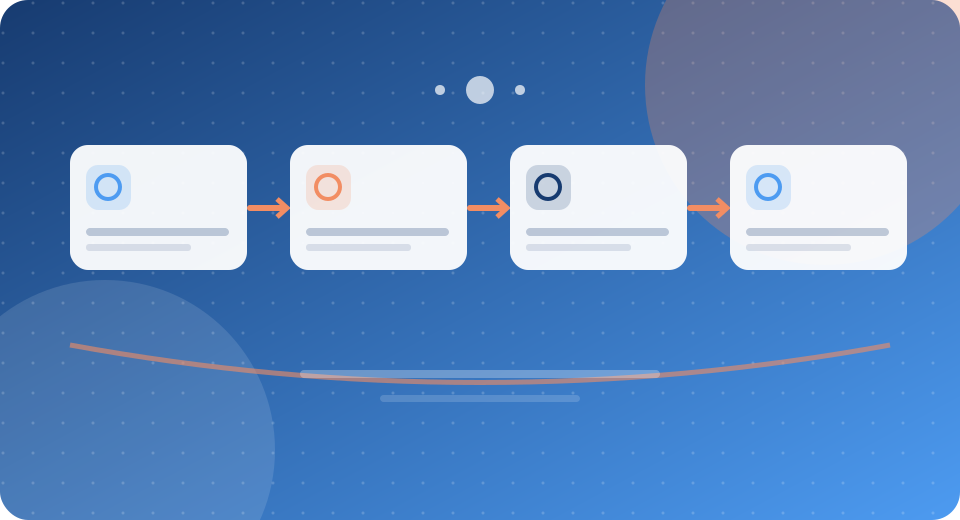
Finance, HR, sales and operational applications need defined data ownership and consistent integration rules to avoid conflicting records. Map how finance, sales, HR and operational systems exchange records without conflicting sources of truth.
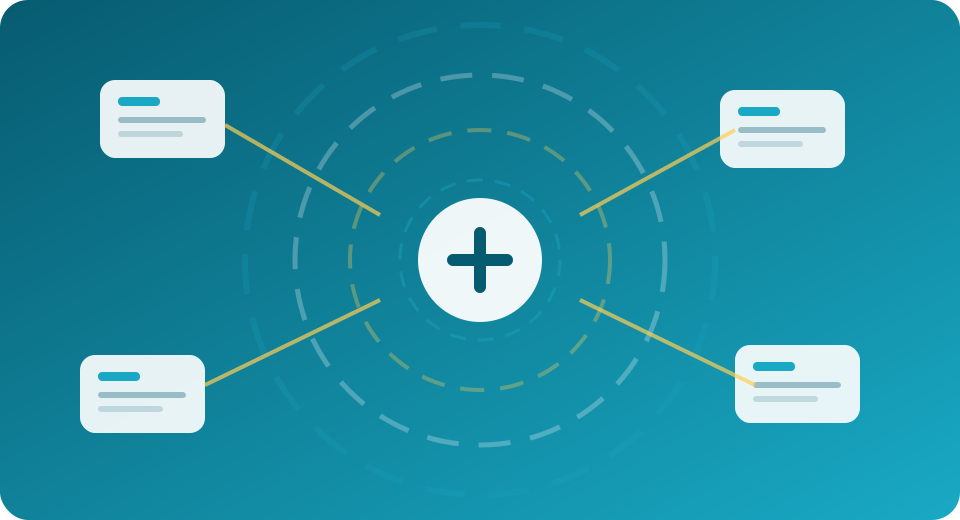
Map how finance, sales, HR and operational systems exchange records without conflicting sources of truth.
Define master data ownership, reconciliation, interface dependencies and error resolution.
Technology decisions should improve day-to-day work, strengthen data reliability and support measurable business outcomes.
Identify applications, owners, interfaces and duplicated records
Decide which system owns customers, suppliers and transaction states
Select APIs, events, scheduled transfers or middleware appropriately
Detect mismatches and provide controlled correction workflows
A simplified reference flow, adapted to the actual project requirements:
Illustrative architecture, not a claim of an existing deployed installation.
Depending on business requirements, solutions may be designed using relevant industry technologies and architectural patterns:
These are recognised industry technologies and architectural approaches that may be evaluated for a project; their mention does not imply Core1 Solutions has deployed, certified, partnered with, or currently supports every named technology.
Different sectors apply the same technical foundations to different operational challenges.
turn CRM quotations into ERP orders
coordinate appointments and billing systems
connect purchasing, warehouse and finance
Review users, processes, existing systems, constraints and priorities.
System landscape map, interface priorities, integration dependencies and reconciliation controls.
Test security, data integrity, performance and real-world workflows.
Document ownership, support needs and continuous improvements.
Not always; supported interfaces or carefully governed adapters may be sufficient.
Unclear ownership, duplicate updates, failed transfers and mismatched identifiers.
By accuracy, timeliness, exception rates and reduction in manual work.
See how this capability can complement Core1ERP, business applications and professional services.
Tell Core1 Solutions about your environment, requirements and business goals.
Request a consultation →