Distribution
align branch stock with central warehouse

Global Search
Keep critical records aligned across applications and locations.
Synchronisation needs conflict rules, identity matching, error queues and visibility into delayed or failed updates.
Request a consultation →Related service →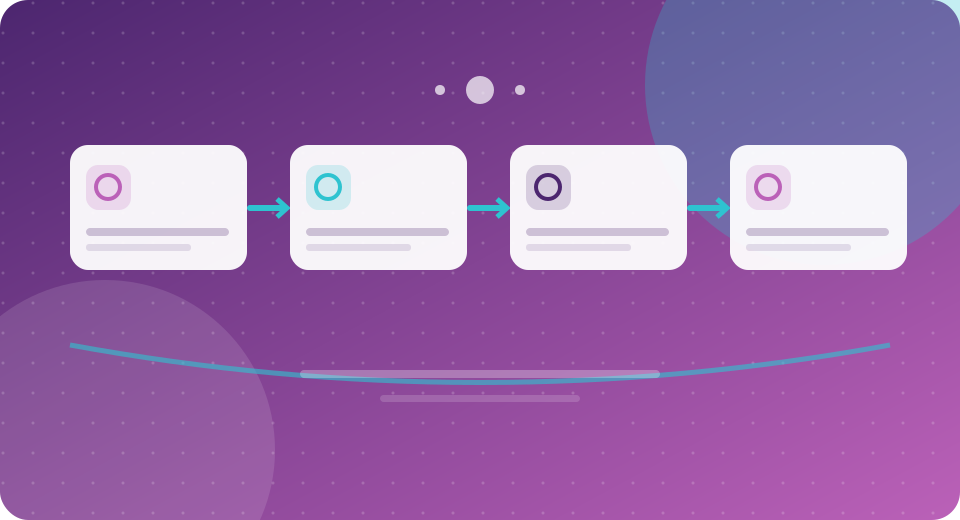
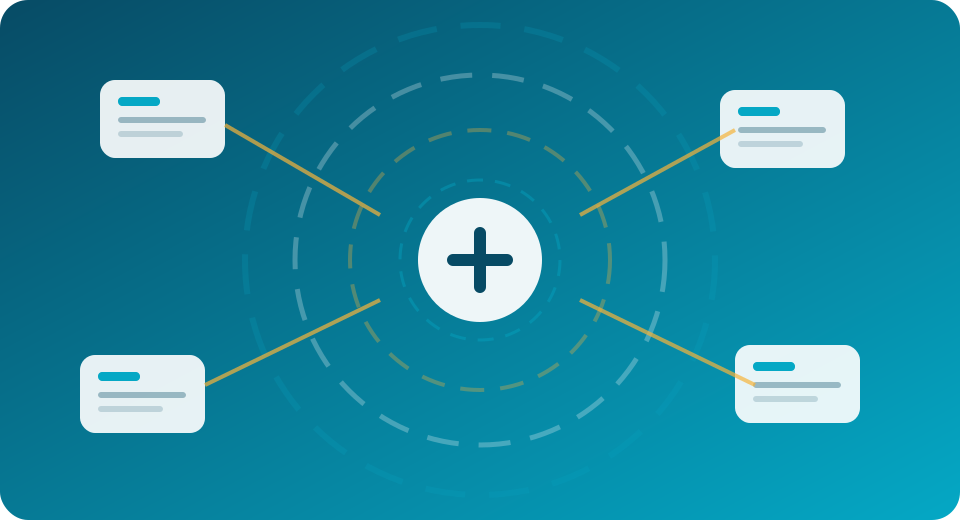
Synchronisation needs conflict rules, identity matching, error queues and visibility into delayed or failed updates. Plan event-driven or scheduled synchronisation with conflict resolution and traceable retries.
Plan event-driven or scheduled synchronisation with conflict resolution and traceable retries.
Monitor latency, duplicate records, source-of-truth rules and failed updates.
Technology decisions should improve day-to-day work, strengthen data reliability and support measurable business outcomes.
Assign authoritative systems and rules for each important field
Choose events, timestamps or scheduled extracts to detect updates
Resolve competing edits without silently overwriting valid data
Record failures, retries and manual resolution history
A simplified reference flow, adapted to the actual project requirements:
Illustrative architecture, not a claim of an existing deployed installation.
Depending on business requirements, solutions may be designed using relevant industry technologies and architectural patterns:
These are recognised industry technologies and architectural approaches that may be evaluated for a project; their mention does not imply Core1 Solutions has deployed, certified, partnered with, or currently supports every named technology.
Different sectors apply the same technical foundations to different operational challenges.
align branch stock with central warehouse
update student information across learning and finance systems
sync offline work orders after connectivity returns
Review users, processes, existing systems, constraints and priorities.
Source-of-truth mapping, sync frequency choices, conflict handling and monitoring requirements.
Test security, data integrity, performance and real-world workflows.
Document ownership, support needs and continuous improvements.
No. The correct interval depends on business decisions, costs and operational risk.
Use stable identifiers, matching rules and idempotent processing.
Apply documented precedence rules and route unresolved conflicts for review.
See how this capability can complement Core1ERP, business applications and professional services.
Tell Core1 Solutions about your environment, requirements and business goals.
Request a consultation →